Interfaith Dialogue and Social Responsibility: An Academic Encounter on Countering Extremism
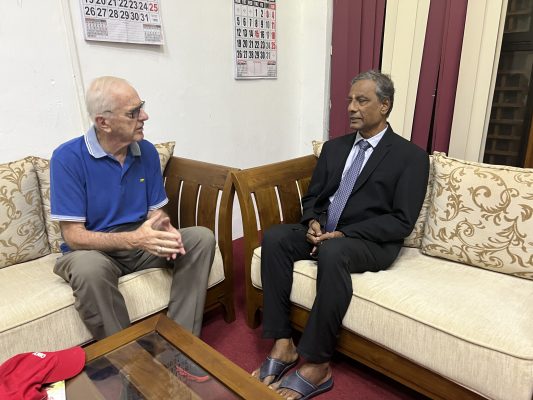
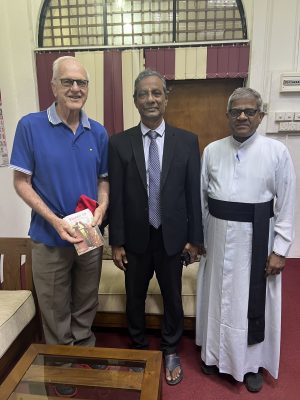
On 6th January 2026, the Department of Christian Civilization at the University of Jaffna had the distinct honour of hosting Dr. Herman Roborgh, Head of the School of Religion & Philosophy at Minhaj University Lahore, Pakistan. This significant academic visit, initiated by the Head of the Department, Rev. Prof. J.C. Paul Rohan, formed part of the department’s ongoing commitment to fostering meaningful dialogue on religion, culture, and social responsibility within a global academic context.
Dr. Herman Roborgh is widely recognized for his critical engagement with issues surrounding religious extremism and his scholarly efforts to promote reflective and constructive responses to contemporary challenges. His work, which ranges from the analysis of media bias to documenting lived experiences of marginalization, emphasizes that genuine transformation begins with self-reflection and informed understanding. His perspectives align with contemporary academic discourse that highlights the role of higher education and interfaith dialogue in preventing radicalization and fostering inclusive societies.
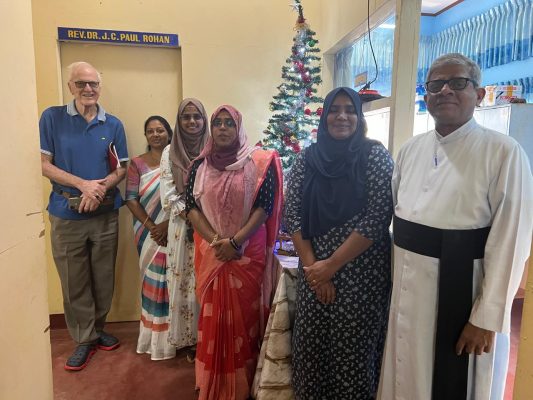
During his visit, Dr. Herman first engaged in a fruitful and intellectually stimulating discussion with the academic staff of the Department of Christian Civilization, as well as the Islamic staff members of the Faculty of Arts. The conversation focused on the importance of incorporating diverse religious and cultural perspectives within academic frameworks, thereby promoting a more inclusive and dialogical approach to education. He underscored the need for universities to serve as spaces where critical inquiry, mutual respect, and intercultural understanding can flourish, particularly in the face of global challenges such as extremism and social division.
Dr. Herman also met with the Prof. S. Srisatkunarajah, Vice Chancellor of the University of Jaffna, together with Rev. Prof. J.C. Paul Rohan, where discussions further strengthened institutional ties and explored possibilities for continued academic collaboration and exchange. This engagement highlighted the university’s openness to global perspectives and its commitment to addressing pressing social issues through education and dialogue.
The visit was marked by a spirit of openness, critical reflection, and shared commitment to promoting peace and understanding through education. Dr. Roborgh’s insights left a lasting impression on both staff and students, inspiring them to approach their academic pursuits with a deeper sense of social responsibility and intercultural awareness. Overall, the visit of Professor Dr. Herman Roborgh stands as a highly meaningful and enriching event in the Department’s calendar for 2026.